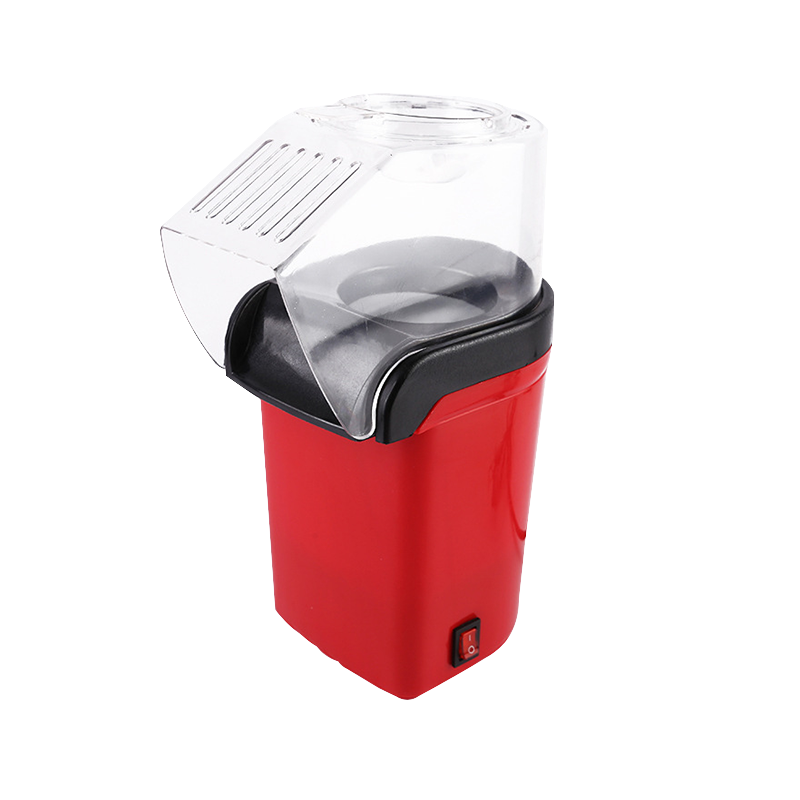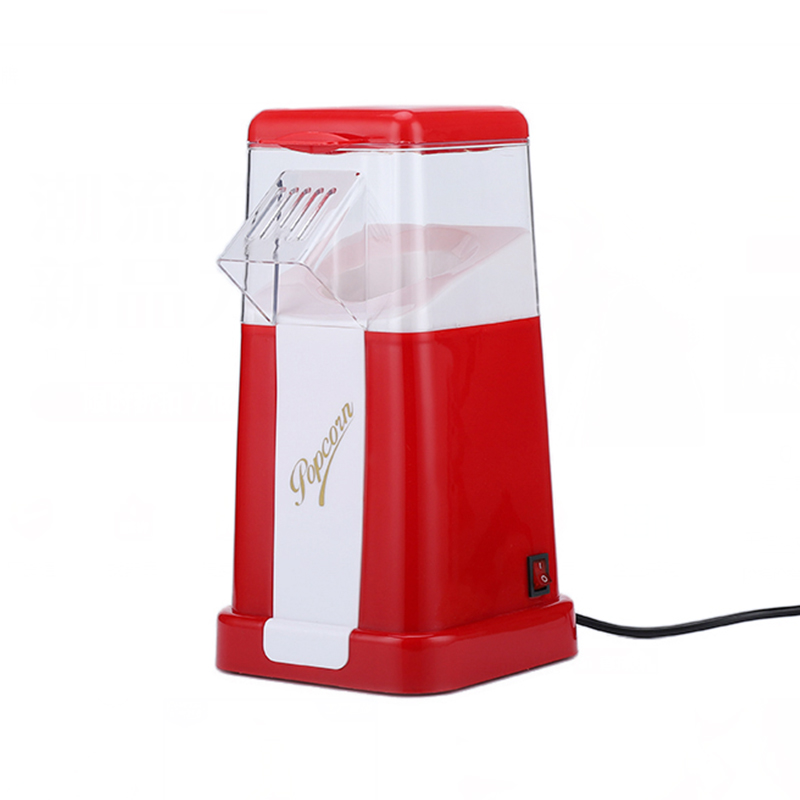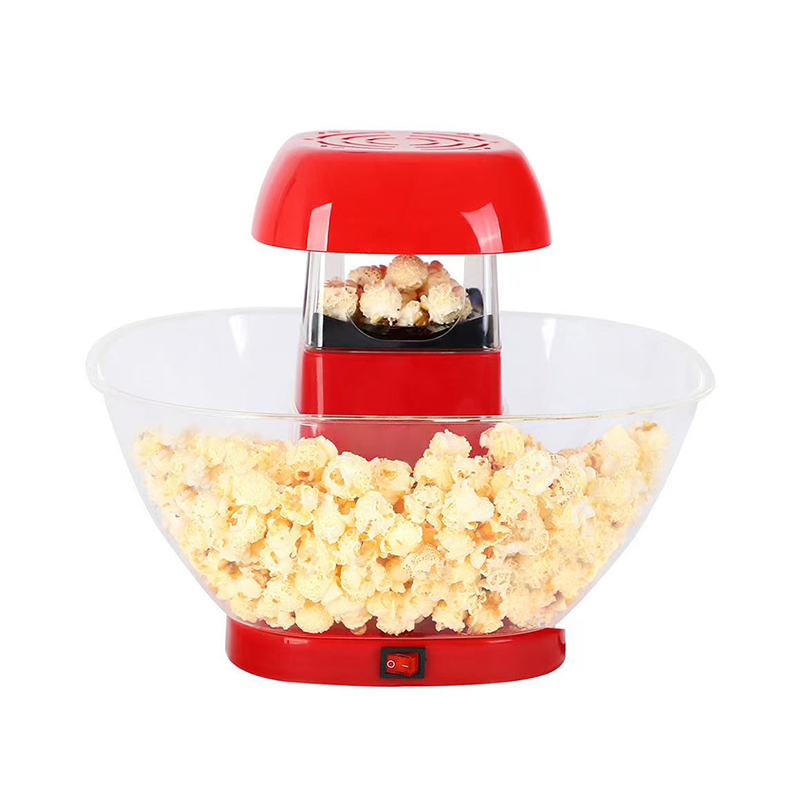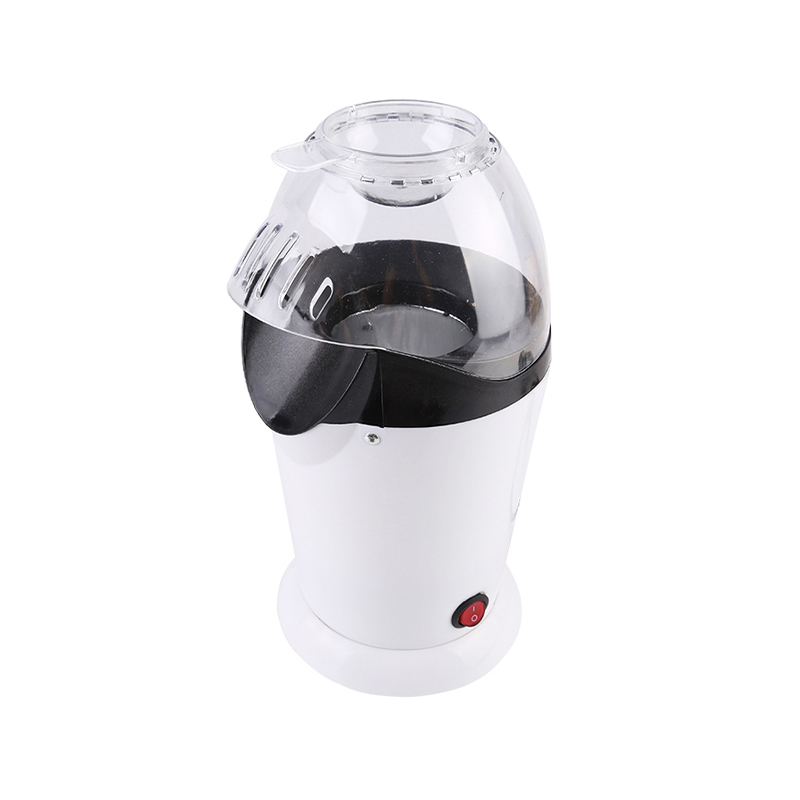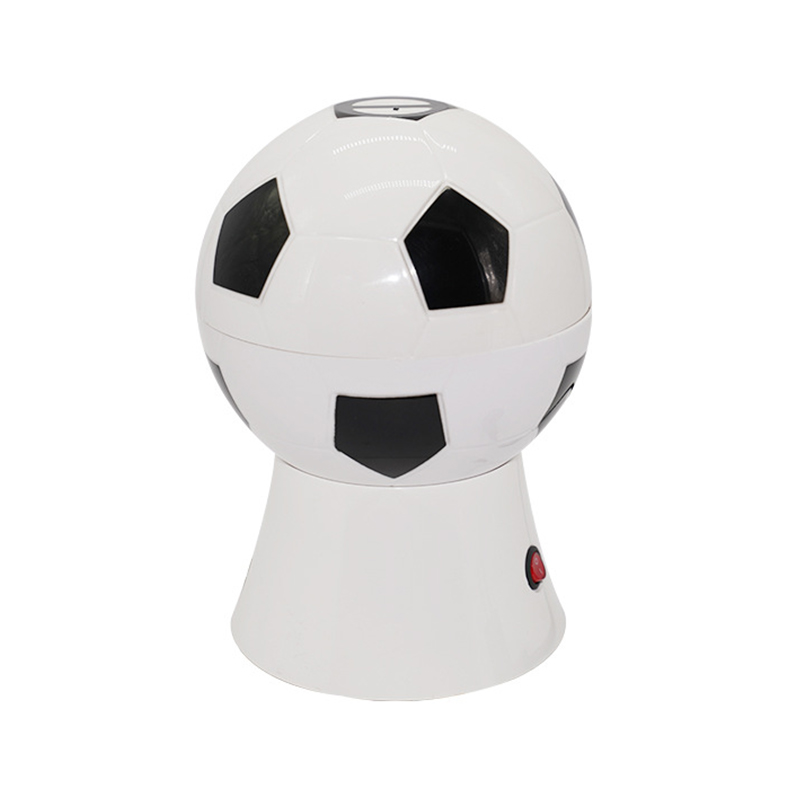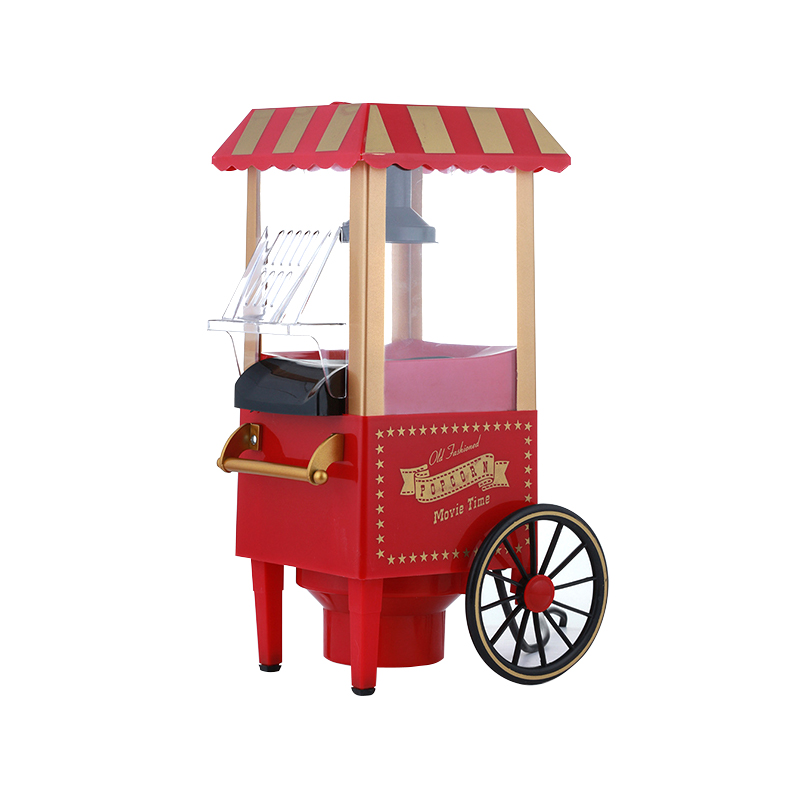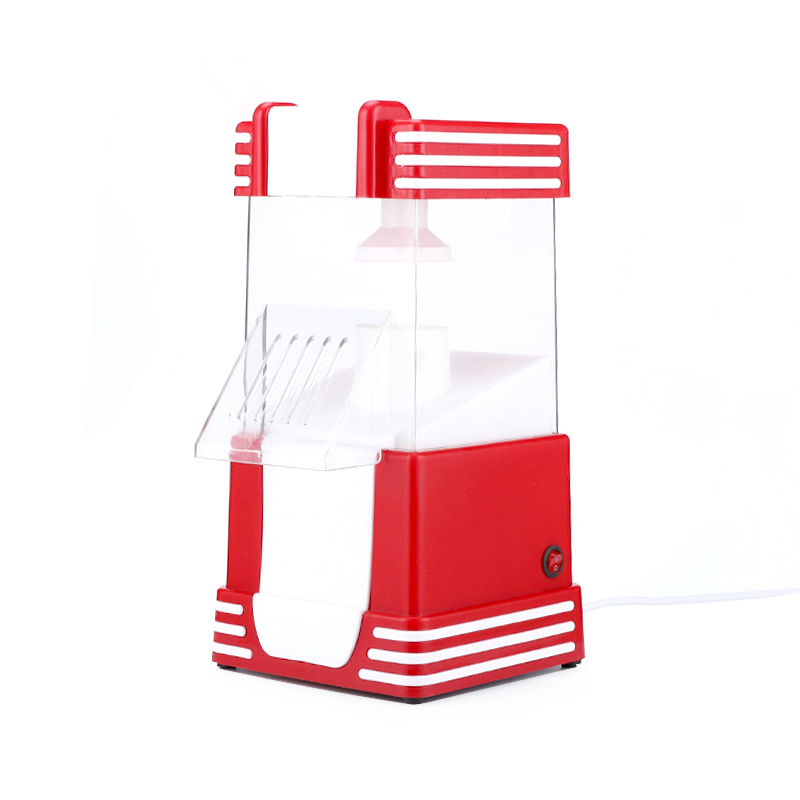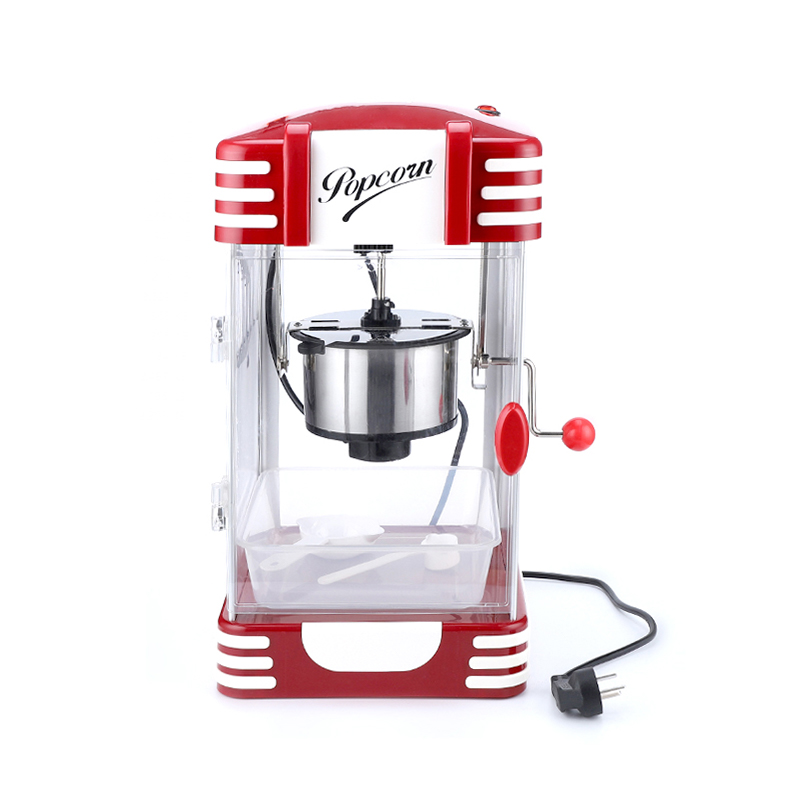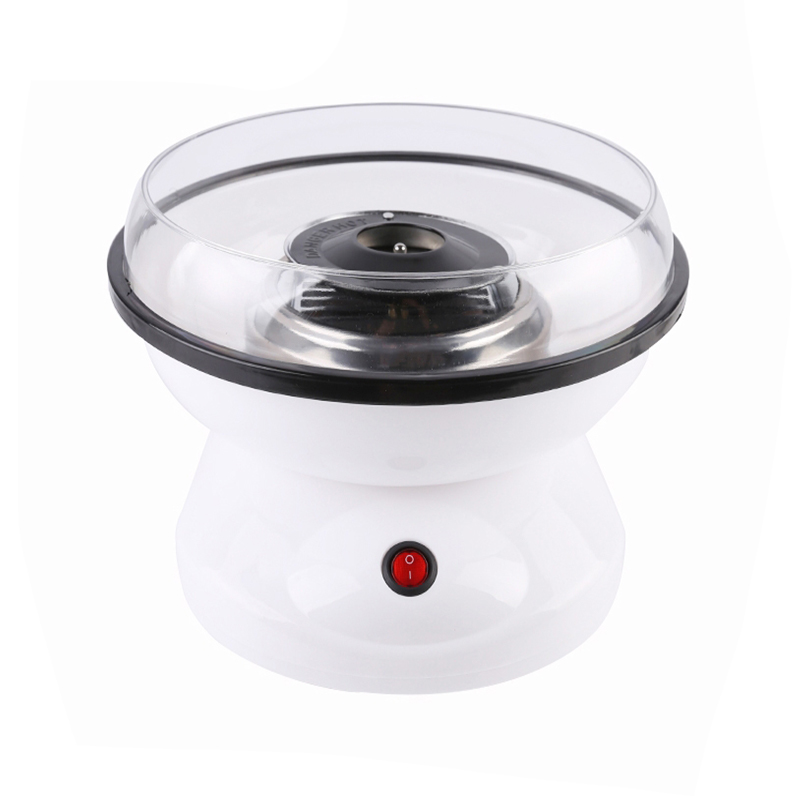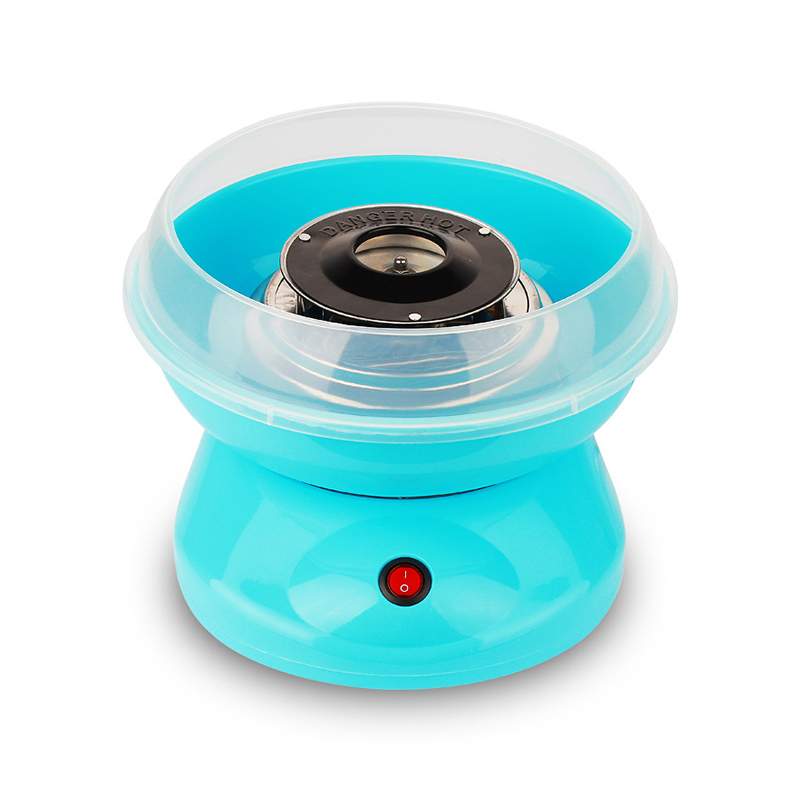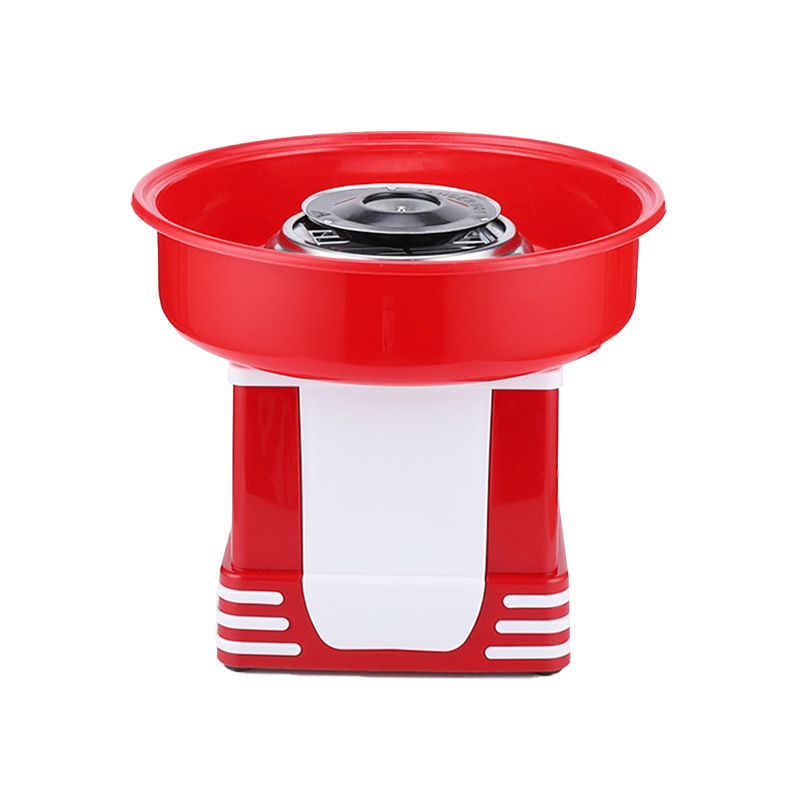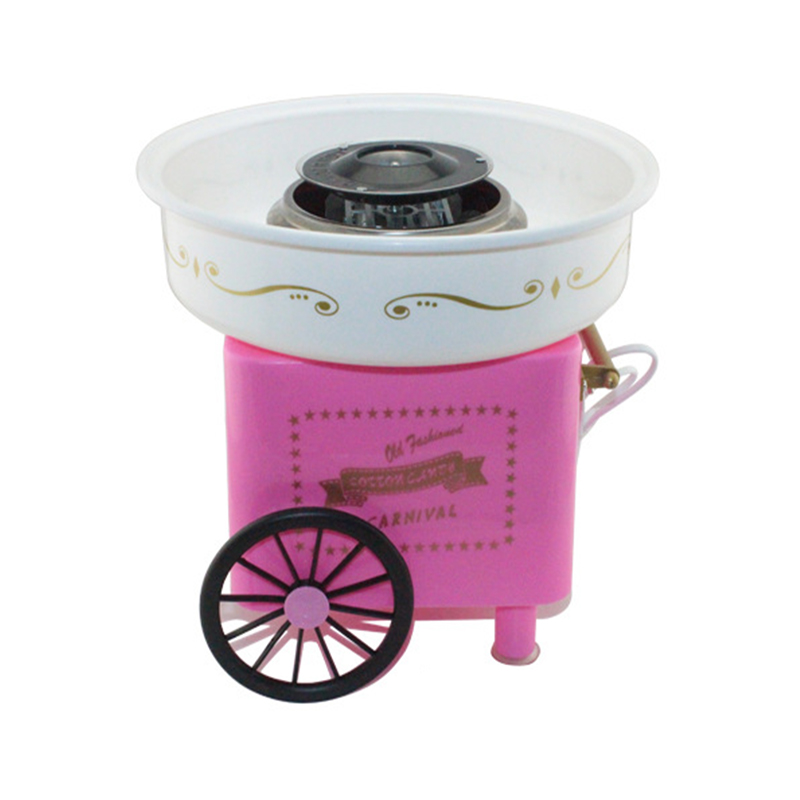


Un aparat de fabricare a floricelelor de porumb funcționează prin încălzirea boabelor de floricele de porumb până când cantitatea mică de apă prinsă în interiorul fiecărui sâmbure se transformă în abur, creând presiune internă până când carcasa tare exterioară a sâmburului explodează și interiorul amidon se extinde în forma pufoasă familiară. Acest lucru se întâmplă la o temperatură destul de specifică - sâmburii apar în mod fiabil odată ce ajung la aproximativ 356°F (180°C) intern - motiv pentru care căldura constantă și controlată este cel mai important factor care separă o mașină care produce floricele pufoase de una care pârjoșește boabele sau lasă multe nepoate.
Acest articol explică știința din spatele popping-ului, diferitele metode de încălzire folosite mașină de floricele de porumb tipurile, cum să-l alegi pe cel potrivit și obiceiurile de întreținere care mențin o mașină să funcționeze bine în timp.
Știința din spatele modului în care apare un nucleu
Fiecare miez de floricele de porumb conține o cantitate mică de apă, de obicei în jur 13–14% umiditate din greutate , sigilat în interiorul unei carcase exterioare dure, în mare parte impermeabile. Pe măsură ce se aplică căldură, apa internă se încălzește și în cele din urmă se transformă în abur. Deoarece coca nu permite aburului să scape treptat, presiunea se creează rapid în interiorul miezului.
Odată ce presiunea internă atinge aproximativ 135 psi , carcasa se rupe exploziv, iar amidonul sub presiune din interior se extinde instantaneu spre exterior, întorcându-se pe dos în afară pe măsură ce se răcește și se solidifică în forma familiară de floricele de porumb. Toată această transformare are loc într-o fracțiune de secundă, motiv pentru care popping-ul sună brusc, chiar dacă nucleul s-a încălzit treptat cu un minut sau mai mult înainte.
Cum furnizează mașinile cu popcorn acea căldură
În timp ce fizica de bază a popping-ului este aceeași pe toate mașinile, mașinile cu floricele de porumb folosesc metode diferite pentru a furniza căldură boburilor, fiecare cu compromisuri în ceea ce privește viteza, aromă și comoditate.
Mașini pentru ceainic cu ulei fierbinte
Obișnuite în cinematografele și mașinile în stil carnaval, acestea folosesc un fierbător de metal încălzit umplut cu ulei, care transferă căldura sâmburelor rapid și uniform. O paletă de amestecare încorporată mișcă continuu boabele pentru a preveni arderea, iar uleiul adaugă, de asemenea, aromă și un finisaj lucios pe care mulți oameni îl asociază cu floricelele de porumb în stil teatru.
Poppers cu aer cald
Aceste mașini folosesc un element de încălzire asociat cu un ventilator care circulă aerul fierbinte în jurul miezului, explodându-le fără ulei adăugat. Acestea produc un rezultat cu un conținut scăzut de grăsimi și sunt populare pentru unitățile de blat de acasă, deși mulți utilizatori adaugă unt sau ulei după ce se găsesc pentru a restabili aroma și pentru a ajuta condimentele să se lipească de floricele de porumb.
Popcorn la cuptorul cu microunde
Mai degrabă decât să folosească o mașină dedicată, floricelele cu microunde se bazează pe radiația cu microunde pentru a excita moleculele de apă direct în interiorul fiecărui sâmbure. Un suport metalic incorporat în pungă absoarbe, de asemenea, energia microundelor și o transformă în căldură directă, ajutând sâmburii din partea de jos a pungii să iasă mai uniform.
Compararea tipurilor de mașini de popcorn
| Tip | Metoda de încălzire | Timpul pop tipic | Cel mai bun pentru |
|---|---|---|---|
| Fierbător cu ulei fierbinte | Paleta de amestecare a uleiului încălzit | 2-3 minute | Aromă în stil teatru, petreceri |
| Popper cu aer cald | Circulatia aerului incalzit | 3-4 minute | Gustări acasă cu conținut scăzut de grăsimi |
| Plita ceainic | Ulei pentru încălzire directă pe plită | 3–5 minute | Nu este nevoie de mașină dedicată |
| Pungă pentru microunde | Pad susceptor de radiații cu microunde | 2-4 minute | Comoditate, porții unice |
De ce unele nuclee nu apar
Sâmburii nepopeți, deseori numite „servitoare bătrâne”, sunt o frustrare comună, dar de obicei au o cauză specifică, reparabilă. Studiile privind eficiența popping-ului arată că conținutul optim de umiditate pentru popping este de aproximativ 13,5% — sâmburii prea uscati nu au suficientă apă internă pentru a crea suficientă presiune a aburului, în timp ce sâmburii prea umezi pot exploda mai puțin exploziv sau pot deveni umed.
- Sâmburii depozitați într-un recipient deschis își pierd umiditatea în timp, reducând rata de pop
- Distribuția neuniformă a căldurii în mașină lasă unele sâmburi sub pragul de popping
- Corpurile crăpate sau deteriorate permit aburului să scape înainte ca presiunea să fie suficientă
- Supraaglomerarea camerei de spargere blochează chiar contactul termic peste toate boabele
Depozitarea boabelor nefocate într-un recipient etanș menține umiditatea constantă și poate îmbunătăți vizibil rata de pop, deoarece sâmburii uscate sunt una dintre cele mai frecvente cauze ale unui lot dezamăgitor.
Alegerea mașinii potrivite pentru popcorn
Selectarea unei mașini se reduce la potrivirea formatului cu modul în care va fi utilizat:
- Pentru gustări ocazionale acasă, un popper compact cu aer cald oferă o opțiune cu conținut scăzut de grăsimi, cu curățare minimă
- Pentru petreceri sau divertisment, o mașină de fierbător cu ulei fierbinte de masă oferă o aromă în stil teatru și loturi de dimensiuni mai mari
- Pentru utilizare comercială sau de mare volum, cum ar fi standurile de concesiune, o mașină de fierbător mai mare cu un motor cu putere mai mare și mecanism de amestecare gestionează mai fiabil loturile continue.
- Pentru un cost inițial minim, o oală pentru plită nu necesită deloc un aparat dedicat
Capacitatea ibricului merită verificată îndeaproape - majoritatea aparatelor de fierbător de casă sunt evaluate pentru a exploda 4 până la 8 uncii de sâmburi per lot , producând aproximativ 16 până la 32 de căni de floricele de porumb, în timp ce unitățile comerciale se extind cu mult peste aceea pentru un serviciu continuu.
Sfaturi de curățare și întreținere
Curățarea regulată face ca o mașină de floricele de porumb să poată să treacă eficient și previne acumularea de ulei ars care poate afecta aroma în timp.
- Ștergeți fierbătorul sau camera de spargere după fiecare utilizare cât timp este încă puțin caldă, când reziduurile sunt cel mai ușor de îndepărtat
- Evitați scufundarea componentelor electrice în apă; curățați ibricurile detașabile separat de unitatea de bază
- Goliți și curățați rezervoarele de ulei în mod regulat pentru a preveni acumularea de râncezire care afectează loturile viitoare
- Verificați periodic paletele de agitare și motoarele pentru resturile de miez care pot bloca mecanismul
- Păstrați sâmburii într-un recipient rece, etanș, ferit de lumina directă a soarelui, pentru a păstra conținutul de umiditate
Concluzie
O mașină de floricele de porumb funcționează prin aplicarea unei călduri consistente până când presiunea aburului din interiorul fiecărui sâmbure îl forțează să spargă, iar metoda specifică pe care o folosește o mașină pentru a furniza acea căldură - ulei fierbinte, aer fierbinte sau energie la microunde - determină textura, aroma și conținutul de grăsime al rezultatului final. Alegerea unei mașini care se potrivește cu dimensiunea și preferința de aromă tipică a lotului, combinată cu depozitarea adecvată a miezului și curățarea regulată, este ceea ce se dovedește în mod constant floricele pufoase și uniform, mai degrabă decât un bol plin cu boabe nefocate.